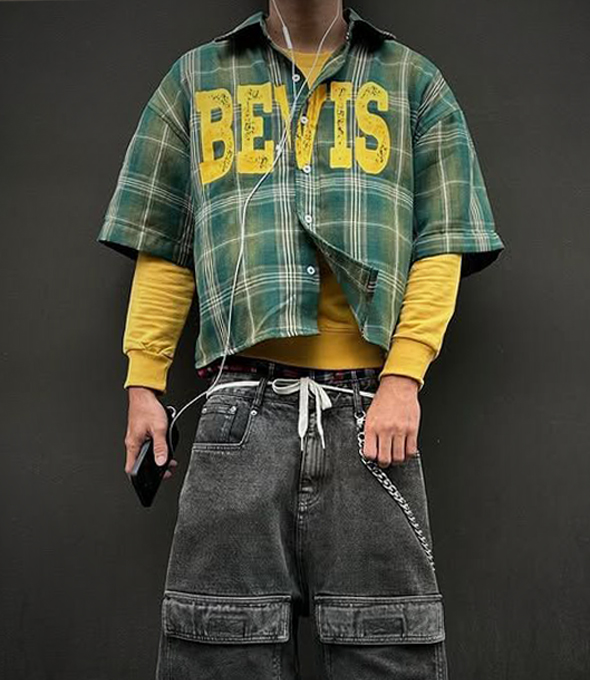
Why "Just Print It" Fails: Which Print Method Actually Survives Bulk Streetwear T-Shirt Production?
On paper, printing a graphic on a heavyweight tee sounds like the easiest part of a collection. Many product teams hand over a tech pack, approve a perfect digital mockup, and assume the factory will just "figure it out." But when the bulk order arrives, the reality hits hard: plastisol prints feel like heavy plastic shields, DTG graphics fade after two washes, and puff prints crack before they even hit the retail floor. The surface appearance of a sample might look incredible, but execution at scale is a completely different discipline. The gap between what a graphic looks like on a screen and how it actually sits on a 300gsm cotton shirt is where many brands lose control of their product identity.
For independent brands with real traction, the decision of which print method to use isn't just about colors—it's about how the garment sits on the body, how it ages, and whether the factory can replicate that exact aesthetic across thousands of units. A specialized streetwear clothing manufacturer understands that a vintage fade requires discharge ink, while a hyper-detailed Y2K graphic demands a completely different approach. This breakdown explores why certain print methods fail at scale and how established labels choose the right technique for bulk production.
Why Does the Choice of Print Method Make or Break a Streetwear Collection?
The choice of print method dictates the garment's hand-feel, drape, durability, and visual identity. In premium streetwear, using the wrong technique—like heavy plastisol on a vintage wash—ruins the silhouette and aesthetic. The right method ensures that the approved sample translates accurately into bulk production, survives washing, and stays aligned with the brand's cultural language.
A graphic tee in the streetwear space is never just a surface with a logo slapped on it. The way ink interacts with the fabric fundamentally alters the structure of the garment. If a design team specifies a boxy, oversized fit using a premium heavyweight cotton, applying a massive, thick plastisol print across the chest will completely stiffen the fabric. The shirt will no longer drape naturally; instead, it will fold awkwardly around the heavy ink layer. This is a common sourcing mistake where the aesthetic intent clashes with the production reality.
Furthermore, consumers today are hyper-aware of texture and aging. They might not know the technical difference between water-based and discharge printing, but they instantly recognize when a shirt feels rubbery, stiff, or uncomfortable. A streetwear brand’s visual identity is heavily tied to how its products feel out of the box and how they evolve after ten washes. A manufacturer that treats every graphic with a generic, one-size-fits-all printing approach will inevitably deliver a product that lacks the depth and nuance expected in modern streetwear. The print method must be treated as a structural component of the garment, not just a surface decoration.
Is Screen Printing Still the Best Option for Bulk Streetwear Tees?
Yes, screen printing remains the industry standard for bulk streetwear T-shirt production due to its unmatched durability, vibrant color payoff, and scalability. Unlike digital methods, it supports specialty techniques like puff, high-density, and discharge inks, making it essential for brands requiring complex, texture-driven graphics at high volumes.
When discussing bulk production, screen printing is rarely challenged as the dominant method. Its efficiency at scale and ability to withstand aggressive washing make it the backbone of the industry. However, simply requesting "screen printing" from a factory is not enough. Screen printing is a broad category, and the execution depends entirely on the ink formulation, the mesh count of the screens, the curing temperature, and the skill of the operator.
For established streetwear brands, the conversation isn't about whether to use screen printing, but rather how to manipulate the process to achieve a specific vibe. A standard apparel factory might default to standard plastisol because it is easy to work with, cures quickly, and requires less precision. A specialized streetwear factory, however, will ask questions about the desired hand-feel, the fabric composition, and the intended aging process of the garment. They understand that screen printing is a highly adaptable medium that can be tuned to produce everything from a razor-sharp, glossy logo to a soft, faded vintage graphic that feels indistinguishable from the fabric itself.
Plastisol vs. Water-Based vs. Discharge: Which Ink Works Best for Your Aesthetic?
Plastisol offers maximum opacity and durability but leaves a heavy texture. Water-based inks soak into the fabric for a softer, premium feel, ideal for luxury streetwear. Discharge inks remove the fabric’s dye, creating an authentic vintage, zero-hand-feel finish perfect for retro or faded aesthetics.
Understanding ink types is the most critical step in controlling the final product. Plastisol is the most common ink used globally. It is composed of PVC particles suspended in a plasticizer, meaning it essentially sits on top of the fabric. While it delivers incredible color vibrancy and opacity—even on dark garments—it creates a noticeable layer that can feel heavy and unbreathable, especially on large designs. For bold, solid graphics where a slight gloss or raised texture is acceptable, plastisol is highly effective. However, for oversized prints on premium heavyweight cotton, it can compromise the garment's natural drape.
Water-based inks offer a sophisticated alternative. Instead of sitting on the surface, these inks penetrate the fibers of the shirt. The result is a significantly softer hand-feel that integrates seamlessly with the fabric. This method is heavily favored by premium streetwear brands aiming for a more elevated, luxury finish. The trade-off is that water-based inks require more expertise to print consistently, especially on dark fabrics, as they can dry quickly on the screens and demand precise curing environments.
Discharge printing takes the water-based concept a step further. It uses a specialized chemical agent to remove the original dye from the garment and replace it with the desired pigment. This creates a true "zero-hand" feel—you literally cannot feel the print when you run your hand over the fabric. Discharge is the ultimate choice for vintage-inspired collections or heavily washed garments where the graphic needs to look integrated and slightly faded from day one. Some , such as , focus specifically on executing complex water-based and discharge printing on heavyweight cotton, ensuring the fabric retains its intended drape rather than feeling stiff and commercial.
Can DTG (Direct-to-Garment) Handle Premium Bulk Production?
While DTG excels at producing hyper-detailed, multi-color, photo-realistic graphics with zero setup cost, it is generally not recommended for premium bulk streetwear production. It often struggles with wash durability, color vibrancy on dark heavyweight fabrics, and replicating the approved sample quality across large runs.
Direct-to-Garment printing has revolutionized the custom apparel space by allowing complex, full-color images to be printed directly onto fabric much like a standard inkjet printer. For highly detailed artwork, gradients, or photographic prints, DTG can achieve results that screen printing simply cannot match without excessive setup costs. It is highly effective for limited drops, highly complex designs, or pre-scale testing.
However, when moving into bulk production for streetwear brands with proven sales, DTG reveals significant limitations. The primary issue is wash durability. Even with advanced pre-treatment processes, DTG prints tend to fade and fibrillate much faster than properly cured screen prints. Additionally, DTG ink struggles to achieve the deep, saturated opacity required for bold streetwear graphics, particularly on dark, heavyweight fabrics. The production speed is also a bottleneck; printing a large volume of shirts via DTG is significantly slower and often more expensive per unit than screen printing. For brands prioritizing long-term durability and a premium tactile experience, DTG is usually reserved for specific, highly detailed capsule pieces rather than the core bulk production strategy.
How Do Specialty Techniques Like Puff and Crack Print Survive Bulk Runs?
Specialty techniques like puff and crack print survive bulk runs only through strict temperature control, precise ink mixing, and fabric compatibility testing. If a factory lacks experience, puff prints will flatten or crack prematurely, and crack prints will peel excessively rather than aging naturally.
Specialty printing is where the distinction between a generic apparel factory and a true becomes painfully obvious. Puff printing, which uses a heat-activated foaming agent mixed with plastisol ink, creates a raised, 3D effect that has become a staple in modern streetwear. However, it is notoriously difficult to control at scale. If the curing temperature is too low, the ink won't puff correctly; if it's too high, the puff will collapse or become brittle. In bulk production, a slight variation in oven temperature or conveyor speed can ruin hundreds of garments, leaving the brand with inconsistent textures.
Similarly, crack printing is designed to look aged and distressed right off the press, but there is a fine line between a controlled vintage crackle and a print that simply flakes off the shirt after one wash. A specialized factory will test the specific ink formulation on the exact heavyweight fabric being used, adjusting the stretch additives to ensure the print cracks visually without compromising the structural integrity of the graphic. This level of technical capability is why independent brands with real traction prioritize manufacturing partners who understand the chemistry behind the aesthetic, rather than just the visual mockup.
What Should Sourcing Teams Verify Before Approving a Bulk Print Run?
Sourcing teams must verify wash test results, ink-to-fabric compatibility, curing temperatures, and strike-off consistency before approving bulk production. Evaluating a manufacturer’s quality control protocols ensures that the 5,000th unit matches the exact texture, color, and hand-feel of the approved pre-production sample.
The transition from an approved sample to a full bulk run is the most vulnerable phase of streetwear production. For procurement teams and product developers, approving a strike-off (a small test print on the actual fabric) is only the first step. The real test is ensuring that the factory's production systems are built to replicate that strike-off thousands of times without degradation in quality.
Before committing to a large order, teams should demand detailed documentation on the curing process and request wash-tested samples. A print might look perfect when it comes off the press, but if it hasn't been properly cured, it will fail in the laundry. Furthermore, it is essential to confirm that the factory will not substitute ink brands or alter the mesh count during bulk production to cut costs or speed up the process. Sourcing teams evaluating an industry comparison of specialized often find that the best partners are those who proactively provide these technical details and highlight potential risks before production begins.
What Makes High-Density and Gel Prints So Difficult to Scale?
High-density and gel prints demand meticulous screen preparation, multiple passes of ink, and exact curing temperatures. If the production environment lacks precision, the sharp edges of the design will blur, and the thick ink layers will peel or crack during bulk runs.
Beyond puff and crack prints, streetwear brands frequently push the boundaries of texture with high-density and gel printing. High-density printing uses a specialized capillary film on the screen to build up thick, sharp layers of plastisol ink. The result is a crisp, architectural block of color that stands noticeably above the fabric surface. It is highly effective for logos and small, bold graphics that require a tactile, premium finish. However, achieving this effect in bulk production is a significant technical challenge.
The process requires multiple passes of ink, with a "flash cure" (partial drying) between each pass. If the screens are not perfectly registered—meaning aligned down to the millimeter—the sharp edges of the high-density print will blur, ruining the clean, architectural look. Furthermore, if the final curing temperature is not perfectly calibrated, the thick layer of ink will not bond properly to the fabric, leading to premature peeling. This is why many product development teams discover that a high-density strike-off looks flawless, but the bulk run suffers from inconsistent thickness and blurred edges. A specialized streetwear factory mitigates this risk by employing automated presses with precise registration controls and rigorous temperature monitoring.
Gel printing, which uses a clear, thick ink to create a glossy, wet look, presents similar challenges. It is often used to add a subtle, tonal branding effect or to highlight specific elements of a larger graphic. Like high-density printing, it requires precise application and curing. If the gel is applied too thinly, the effect is lost; if it is applied too thickly, it can become stiff and uncomfortable to wear. The key to successfully scaling these techniques lies in the manufacturer's ability to deliver uniform results across thousands of garments, ensuring that the 5,000th shirt has the exact same crisp, tactile finish as the approved sample.
Why Does Fabric Weight and Composition Dictate the Print Method?
The weight, weave, and composition of the fabric fundamentally determine which print methods will succeed. Heavyweight cottons require inks that either penetrate deeply or sit flexibly on the surface, while synthetic blends demand low-cure inks to prevent dye migration and scorching.
A critical oversight in many sourcing decisions is treating the print method as an isolated variable, independent of the garment itself. In reality, the fabric is the foundation that dictates what is technically possible. Premium streetwear heavily favors heavyweight cotton—often ranging from 250gsm to 400gsm for tees and hoodies. This dense, tightly woven material interacts with ink very differently than a standard 150gsm promotional t-shirt.
When printing on heavyweight cotton, the primary concern is maintaining the fabric's natural drape and hand-feel. As discussed earlier, applying a large, thick plastisol print to a heavy tee can create an uncomfortable, rigid shield across the chest. This is why water-based and discharge inks are so highly valued in this category; they integrate into the dense fibers without adding unnecessary weight or stiffness. However, if a brand opts for a vintage wash or an acid wash on that heavyweight cotton after printing, the ink must be formulated to withstand the aggressive chemical and abrasive processes of the wash house.
Conversely, if a collection incorporates synthetic fibers—such as a sportswear-inspired jersey or a technical fleece—the printing parameters change entirely. Polyester and nylon blends are prone to "dye migration," a phenomenon where the dye from the fabric bleeds into the ink when exposed to high curing temperatures, turning a crisp white logo into a muddy pink or grey. To prevent this, manufacturers must use specialized low-cure plastisol inks or silicone-based inks that cure at lower temperatures, protecting both the graphic and the synthetic fibers. Understanding these material-specific constraints is a hallmark of an experienced production partner.
What Are the Hidden Costs of Poor Print Execution in Bulk Production?
Poor print execution in bulk production leads to catastrophic hidden costs, including unsellable inventory, delayed launches, damaged brand reputation, and expensive rework. Choosing a cheaper, inexperienced factory often results in higher overall expenses due to inconsistent quality and high defect rates.
When evaluating production quotes, sourcing teams often focus primarily on the per-unit cost of the garment and the print. However, the true cost of a streetwear collection is rarely reflected in the initial invoice. The hidden costs of poor print execution can quickly erode profit margins and derail an entire season's launch calendar.
Consider the scenario where a brand approves a beautifully executed water-based strike-off, but the factory—lacking the necessary expertise or cutting corners to meet a tight deadline—fails to hold the same standard during the bulk run. The result might be thousands of shirts with faded, patchy graphics or ink that washes out after a single laundry cycle. This inventory becomes unsellable at full retail price, forcing the brand into heavy discounting or, worse, writing off the stock entirely.
Furthermore, inconsistent print quality damages a brand's reputation and consumer trust. In the highly competitive streetwear market, consumers are vocal about product quality, and a single poorly executed drop can lead to negative reviews and lost customer loyalty. The cost of replacing defective units, managing customer returns, and scrambling to secure a reliable replacement manufacturer far outweighs the initial savings of choosing a cheaper, less experienced factory. For established streetwear brands, investing in a specialized production partner is not an added expense; it is a critical risk management strategy that protects the integrity of the product and the brand's long-term profitability.
Conclusion: The Manufacturing Partner Makes the Print
Choosing the best print method for bulk streetwear T-shirt production is rarely a simple binary choice between screen printing and DTG. It is a nuanced decision that involves balancing the desired aesthetic, the fabric weight, the wash requirements, and the reality of mass production. Screen printing, with its vast array of ink types like water-based, discharge, and specialty puff formulations, remains the undisputed champion for premium streetwear.
However, the technique itself is only as good as the factory executing it. The difference between a stiff, cracking graphic and a soft, perfectly aged vintage print comes down to the expertise of the production partner. For established streetwear brands, the goal is not merely to find a manufacturer capable of applying ink to cotton, but to collaborate with a partner that treats printing as a critical component of product development, ensuring that the brand's creative vision survives the rigors of bulk production.
Hype Is Easy, Margin Is Hard: How Streetwear Brands Beat MOQ Pressure with Smarter Style Consolidation
Streetwear lives on variety. One season you want the washed boxy hoodie, the distress-heavy zip hoodie, the cropped football-inspired jersey, the appliqué varsity jacket, and the flare denim with exaggerated stacking all sitting in the same line because, creatively, that mix hits. On the rack, it feels sharp. On the costing sheet, though, that same energy can turn messy fast. The problem usually is not that the factory “suddenly got expensive.” The problem is that too much of the order volume got sliced into isolated style stories that each need their own setup, sourcing logic, testing path, and production handling.
A lot of established streetwear brands and independent brands with real traction run into this when the collection starts getting stronger visually. The product direction improves, but the unit economics start fighting back. That is where MOQ strategy stops being a back-office sourcing issue and becomes a creative-commercial decision. The brands that handle this well usually do not flatten the collection. They build smarter style families, protect the strongest visual codes, and push more units through shared development lanes instead of scattering them across too many technical one-offs.
Why do unit costs jump when a streetwear line gets spread across too many isolated styles?
When a collection is broken into too many thin volume pockets, the brand is not just paying for more garments. It is paying for more setups, more material fragmentation, more approvals, and more production stops. That is why unit cost climbs faster than most teams expect once style count outruns order depth.
On paper, three hundred units of one heavyweight tee program and three hundred units spread across three slightly different tee programs can look close. In production, they are not close at all. The moment those programs split into different neck ribs, separate print placements, different wash recipes, or different body measurements, the factory is no longer running one clean lane. It is managing three smaller lanes, each with its own prep work, technical review, sourcing communication, and quality checks.
That prep work is where the money starts stacking up. Pattern review, marker planning, trim matching, print screens, wash tests, cutting allocation, sewing line balancing, inspection criteria, and packing breakdowns all cost time even before the bulk volume really starts moving. Industry guidance on apparel MOQ explains that manufacturers set thresholds partly because setup labor, machine preparation, and material purchasing do not shrink in proportion to smaller runs. Fabric buying adds another layer, since mills often sell by roll or by minimum fabric quantity rather than by the exact number of finished garments a brand wishes it could buy .
Streetwear makes this even more visible because the category leans so hard on tactile and visual finish. A plain jersey tee is one thing. A pigment-dyed tee with a cracked chest print, off-shoulder drop, and exaggerated neck rib is another. The more your product identity depends on handfeel, fade, silhouette, trim choice, or graphic placement, the less forgiving fragmented production becomes. That is not a reason to play safe. It is a reason to understand that product depth matters just as much as product direction.
What actually gets cheaper when brands consolidate styles instead of scattering units?
Style consolidation cuts cost because it lets brands push more volume through shared fabric, trim, and construction lanes without giving up the visual edge of the collection. The biggest savings usually show up in material buying, factory changeover time, and smoother batch planning across cutting, sewing, finishing, and inspection.
The cleanest way to think about consolidation is not “make fewer ideas.” It is “build more of the line from shared foundations.” That can mean one fleece family feeding both a washed pullover hoodie and a distress-heavy zip hoodie. It can mean one mesh base feeding both a cropped football jersey and a matching short. It can mean a common denim block carrying different wash stories, hem treatments, or hardware accents instead of forcing every pant into a completely separate development path.
When brands do that well, several quiet gains start appearing at once, and that is often how a line moves into a better factory price band without flattening its point of view. Fabric purchasing improves because more yardage moves through the same program. Trim buying improves because rib, zipper, drawcord, patch base, label package, or hardware spec can be carried across a wider portion of the line. Production becomes easier to schedule because the factory is not constantly resetting from one narrow program to another. Even wash houses and print teams work more efficiently when they can batch related items instead of treating every style like a standalone event .
This is also where factory selection matters more than many teams admit. A general apparel factory may tell you it can handle the order, but a specialized usually reads the line differently. It can see where a shared base block can keep the line visually alive while cleaning up the production logic underneath it. For teams benchmarking that kind of capability, a curated look at in China can be a useful reference point, especially when heavyweight fabrics, wash-driven product stories, and trim-heavy builds are all part of the brief.
How can creative teams keep the line feeling fresh without blowing up factory pricing tiers?
The strongest collections usually stay fresh by separating visual identity from technical chaos and by treating factory pricing tiers as something the line can design around, not just react to after quotes come back. Brands do not need every style to be built from scratch. They need a few strong body blocks, a clear material story, and enough finishing variation to create energy without forcing the factory into constant reset mode.
This is where a lot of smart streetwear product teams make the line feel bigger than it really is. Instead of treating every SKU like a new universe, they build clusters. One cluster might revolve around 420gsm brushed fleece, washed into two finish directions and cut into two silhouettes. Another might revolve around poly-mesh and tackle-twill details across jersey and short programs. Another might revolve around one denim base with different leg openings, stacking behavior, or abrasion treatment.
What keeps the collection from feeling repetitive is where the creativity gets placed. Graphics, placement, distress maps, patch language, embroidery density, hem behavior, and color tone can all create separation without requiring a full restart in sourcing and construction. That is the difference between a line that looks edited and a line that looks expensive for the wrong reasons.
The point is not to strip personality out of the product. It is to move personality into the areas that create brand heat without creating unnecessary production drag. A washed boxy hoodie and a zip hoodie can still feel like two different statements if the art direction is strong. They do not need to behave like two unrelated programs in order to look alive.
Where do brands lose margin when they compare only the factory quote?
The factory quote is only one layer of the economics. Real margin pressure shows up when thin order depth creates extra landed cost, leftover materials, uneven inventory exposure, delayed approvals, and more downstream friction. A quote that looks cheaper upfront can still produce a weaker margin picture after launch.
This is where apparel teams often get fooled by surface math. If one manufacturer quotes a lower ex-factory price on a shallow order, it can look like the problem is solved. But the quote does not always show what the brand is carrying outside the four corners of that spreadsheet. Fabrikn’s unit-economics breakdown is useful here because it reminds teams that landed cost is shaped by more than fabric and sewing. Packaging, freight, duties, fulfillment, development allocation, payment fees, returns, and customer-acquisition pressure all sit downstream from the production decision .
Now layer fragmented MOQ economics on top of that. A line with too many shallow styles can leave the brand with odd leftover trims, broken size curves, or a category mix that looks exciting in campaign images but moves unevenly in real selling. It can also create calendar stress when approvals drag because every style is asking for its own round of answers. In streetwear, where launches are tied closely to content, talent, and timing, that friction can cost more than the difference between two factory quotes.
A better question is not “Which quote is lowest?” It is “Which production structure protects the product story while keeping landed cost, stock exposure, and calendar risk inside a range the brand can actually manage?” That is a much sharper sourcing question, and it usually leads to better decisions.
Which numbers should product and sourcing teams model before they lock the line?
Before the line is locked, teams should model style-family volume, fabric minimum exposure, trim commonality, landed cost by scenario, and expected sell-through by category. Those five checks usually reveal whether the collection is structurally ready for bulk or whether it still looks better on a moodboard than in a margin model.
The best product meetings usually have two voices in the room at the same time: the person protecting the line’s point of view, and the person reading where the cost structure starts drifting. When those two conversations happen early, the collection gets tighter without getting flatter.
A practical way to do this is to review the line by family instead of by isolated SKU. That means asking whether the fleece program, the jersey program, the outerwear program, and the denim program each carry enough depth to justify their own material and development lane. It also means testing landed-cost scenarios before the buy is finalized, not after sampling is already done and everyone is emotionally attached to every style.
That last question matters more than most teams want to admit. Every collection has hero styles, and every collection has styles that are better as signal than as volume. Smart MOQ strategy does not ask those two groups to carry the same production weight.
What does a smarter MOQ strategy look like when a streetwear brand is ready to scale?
A smarter MOQ strategy usually looks like tighter style families, earlier quantity planning, clearer factory conversations, and staged volume decisions built around validated product direction. The goal is not maximum volume on every style. The goal is putting real depth behind the right styles so the line earns better economics without losing its edge.
In practice, that means editing with intention. It means deciding which silhouettes are carrying the season, which fabrics deserve deeper commitment, and which details can be shared across the capsule without watering down the line. It means discussing fabric rolls, wash capacity, print sequencing, and trim lead times before bulk booking starts. It means using sampling to read risk, not just to approve visuals. And it means aligning launches so related styles move through the system together instead of entering the factory as disconnected requests.
The brands that usually handle this well treat MOQ as a design-adjacent decision, not a sourcing afterthought. Their creative teams understand that some of the strongest product stories come from depth, not sprawl. Their sourcing teams understand that a factory threshold is not just a number on a sheet; it is often a clue about how materials, labor, and scheduling actually behave in the real world. When those two views line up, unit cost starts working with the brand instead of against it.
That is also why the next phase of strong streetwear collections may feel tighter, not smaller. The line feels sharper because more pieces belong to the same product universe. The fabric story feels more intentional. The silhouettes talk to each other. The factory can move with fewer resets. And the brand keeps more room in the margin to spend where customers actually feel it: better fabric weight, stronger finishing, more convincing shape, and a product that lands with real presence instead of looking overbuilt on paper and underpowered in hand.
streetwear clothing manufacturers Groovecolor OEM streetwear manufacturer streetwear apparel manufacturers streetwear manufacturer streetwear apparel factories