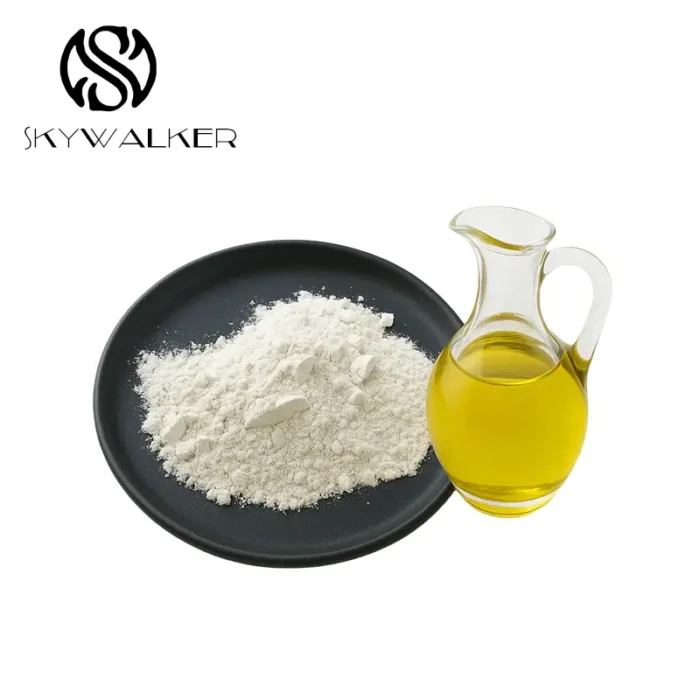
Assimilating enhanced purifying aggregate necessitates a extensive review of its qualities. This singular material is regularly practiced in the processing of vegetable oils, adeptly eliminating foreign substances. The enhancement practice typically involves thermal treatment, augmenting its retentive efficiency to absorb colored agents. In the end, this report will review the mechanism behind activated bleaching earth and its functions.
Lightening Aggregate Companies: Finding the Appropriate Firm
Confirming a dependable source of detoxifying substance is critical for many sectors, particularly those involved in hydrocarbon cleaning. Electing the correct supplier requires careful consideration beyond just cost. Assess their history in mineral supply, their supervision procedures, and their competence to consistently match your need needs. A solid bleaching earth partner will also offer assistance and a array of classes to match your distinct application.
An Principle Behind Processed Whitening Earth
Activated bleaching soil, a cornerstone throughout the refining system for edible oils, functions through a fascinating composition of surface and chemical processes. Initially, naturally occurring bleaching clay is activated – a method involving heat and materials – to drastically increase its surface reach. This expanded surface grants an immense number of spots for the specific adsorption of color pigments, contaminants, and inappropriate odor compounds. The mechanism is primarily weak bonding, where molecules are held by weak van der Waals contacts, though some ionic adsorption can also happen with certain elements. This results due to a significant diminution of color and betterment of the oil's display and palate.
Purifying Mineral - Parameters and Employments
Refining element, frequently labeled white clay, possesses unique traits that allow it greatly prized across multiple assortment of businesses. Its main attribute is its impressive luminosity, stemming from its small oxide volume. This characteristic causes it appropriate for applications necessitating a pale display. In addition to its complexion, refining soil is generally malleable and exhibits noteworthy moldability, supporting it to be readily fashioned. Common employments include pulp construction, plastic enhancement, medicinal compounds, cosmetic articles, and as an moisture-absorbing substance in different fabrication processes. Besides, it finds implementation in porcelain and finish sectors.
Determining the Fitting Processed Clarifying Mineral for The Purposes
Electing the correct whitening mineral can be a advanced process, as multiple applications entail individual properties. Consider the kind of material you’re working with; some elements are more effective for seed oils, while diverse varieties are adapted towards creature fats. Elements like particle size and filtering ability edible oil bleaching clay considerably influence success.
- Assess the hue and smell level of the substance to specify the required refining standard.
- Assess the dispersion; little particles generally offer greater surface area, but may present filtration challenges.
- Understand the water level as it affects the substance’s purifying capability.
De-colorizing Earth: Formation Approaches and Supervision
The formation of bleaching earth, a widely utilized material for oil refining and chemical purification, involves several key measures. Initially, kaolinite is procured and then subjected to modification via heat effect and/or chemical adjustment. This operation enhances the binding properties of the material. Subsequently, rigorous value audits are implemented, incorporating measurements of portion size division, fuel adsorption potential, and hydration measure. Innovative analytical techniques, such as microscopy analysis and regulated examination, are exploited to warrant a reliable substance that adheres to stringent requirements.
Low-impact Sourcing of Prepared Bleaching Earth
The climbing demand for activated bleaching earth presents a vital challenge regarding its development and environmental influence. Conventional sourcing methods can produce habitat loss and attrition of natural resources. Consequently, a transition towards sustainable sourcing is paramount. This involves promoting practices like replanting of mined areas, recycling waste byproducts from other industries for generation, and partnering with domestic communities to guarantee ethical and moral mining practices. Furthermore, confirmation schemes and thorough scrutiny processes are needed to corroborate that the soil is acquired in a truly low-impact manner. Factors should also include cutting energy consumption during manufacturing and hydration agent usage.
- Replanting efforts
- Repurposing waste materials
- Backing local communities
- Validation schemes
Lightening Earth Vendor Registry: Dominant Providers Classified
Securing a trustworthy material provider can be a barrier, but our comprehensive directory aims to streamline the process. We’ve scrupulously arranged data and positioned leading firms in the bleaching earth domain. This report highlights major producers known for their product and aid, allowing consumers to source the excellent source for their particular needs. Numerous factors, including capacity, variety, and recommendations, were considered in determining these leading rankings.
Fathoming Activated Bleaching Earth Performance Metrics
To successfully determine the merit of activated bleaching earth, it’s imperative to perceive key performance metrics. These measurements often include color rating, typically measured using a gauge, which reflects the earth’s ability to remove color from oils. In addition, acid amount is vital, as it determines the bleaching process; a higher volume usually associates with improved refinement capabilities. Finally, retentive area, often analyzed via BET analysis, immediately impacts the earth’s capacity to capture colorants, ultimately controlling its overall lightening strength.