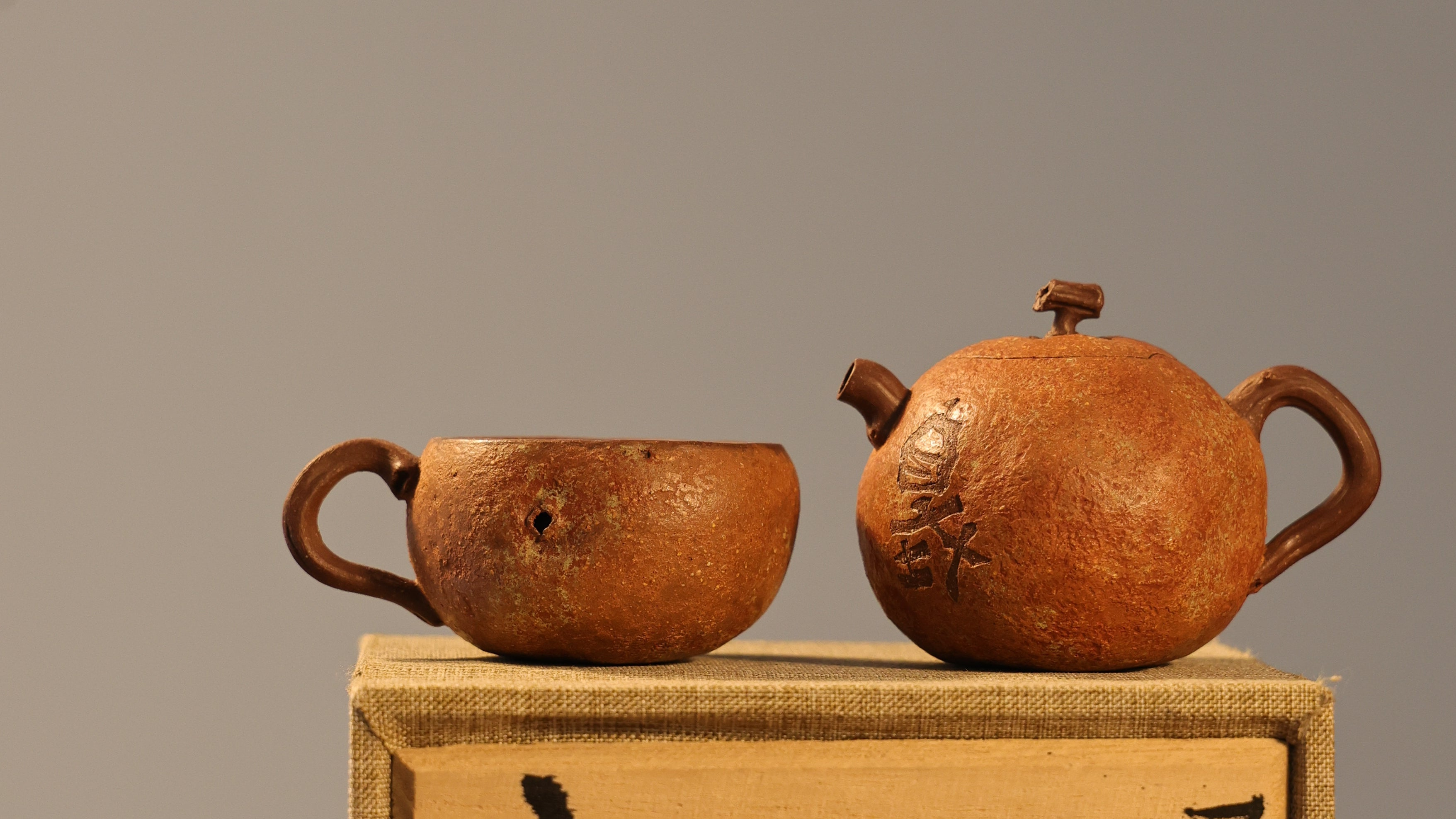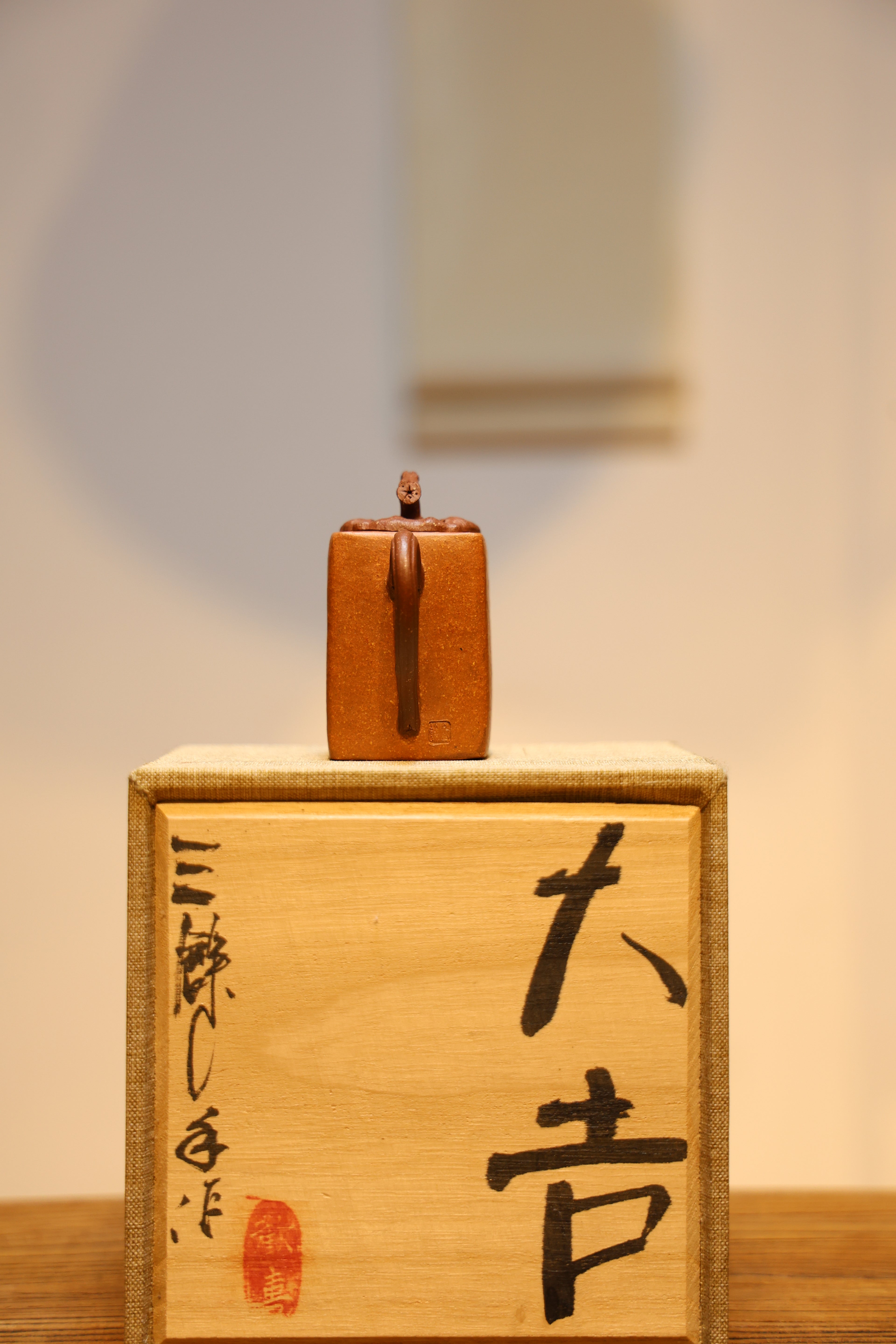
Ages of lovers have long valued the distinctive charm of Yixing Zisha teapots. Existing in the picturesque town of Yixing, the nation, these pots are fabricated from a singular and recovered purple clay recognized for its extraordinary thermal attributes and capacity to enhance the note of concoctions. More than their useful value, Zisha teapots manifest a solid heritage legacy, rendering them markedly coveted and a authentic treasure for any committed teapot aficionado.
Delving into Yixing Teapots
Classic teapots showcase a noteworthy synthesis of history and masterful craftsmanship. Emerging in Yixing, Jiangsu Sector of China, their narrative begins from the Ming Dynasty, although proof suggest earlier examples. The unparalleled reddish-brown clay, called Zisha, found merely in the Yixing region, is the integral component, contributing to the pots' excellent heat keeping and the manner they alter the quality of tea. Dynasties of potters have refined techniques—often conveyed through families—including forming the clay, applying exquisite embellishments, and firing the pots at controlled temperatures.- Earlier, Yixing teapots were often embellished with simple designs.
- Later, more advanced carvings and figurative motifs became prevalent.
- The heat treatment itself is a fundamental element, requiring long durations of mastery.
Amassing Zisha Teapots: Important Insights
Embarking on a venture to procure Zisha vessels can be profitable, but it’s important to appreciate what to search for. Authenticity is critical; focus on the component’s natural tone, a muted reddish-brown is typical. Examine the grain; genuine Zisha has a particular tactile sensation, often described as slightly textured. The outline should be symmetrical and consistent with historical styles, while impressions, if present, require painstaking examination for authenticity. Don’t hold back to consult with professional consultants or reputable contacts – their wisdom is essential.
Chinese Clay Pots: Investigating the Practice of renowned Zisha
Ages have seen Yixing Purple Earth teapots possess a notable role in Chinese arts. These artfully designed pots, sourced only from the district of Yixing, are distinguished for their characteristic complexion, composition, and their ability to improve the flavor of infusions. Countless collectors value antique Yixing teapots, treasuring them profoundly not only for their aesthetic grace, but also for the heritage they express.
Yixing Zisha Teapots: A Best Types and Their Characteristics
Yixing Zisha teapots, originating from the Yixing area of Yixing, China, are well-known for their uncommon clay and first-rate brewing features. Throughout the numerous Zisha types, those kinds that are highly valued include Baiwei. Binzhou, known for its strong purple shade and velvety texture, delivers a soft flavor. Duan Ni clay, recognizable by its reddish color and somewhat grainy feel, is viewed to enhance the fullness. Lastly, The Zhuni type boasts an peculiar vermilion tone and can deliver a delightful nuance. Each variety supplies a varied experience, causing them highly desirable towards infusion enthusiasts.
Achieving Your Pottery Pot
To unlock the virtue of your Yixing pot, understanding the correct modus operandi is critical. These clay containers, celebrated for their openness, will incrementally take on the nature of the tea you make within them. Begin by rinsing the pitcher thoroughly with clean water. Then, use only select natural leaf tea, as lower quality options can damage the item’s delicate character. Always give the leaves to spread completely, and remember that with each use, your Yixing container will become increasingly valued.
Maintaining Your Rare Zisha Artifact
Proper support for your Zisha vessel is Purple Clay Teapot imperative to maintaining its durability and worth. Zisha clay, acclaimed for its unique coloration and makeup, requires gentle handling. Never use caustic detergents, as these can injure the film. After every infusion, rinse the pitcher with lukewarm water and allow it to evaporate completely.
- Resist soaking the vessel for extended phases.
- Regularly use a soft cleanser cloth to wipe the exterior.
- Contemplate applying a thin layer of food-grade ointment inside the kettle after drying, which can lessen staining.
A Beginner's Guide to Yixing Earthenware
Yixing kettles, originating from the Yixing region in Jiangsu Province, part of China, are celebrated for their distinctive peculiarities. Made from the unique purple ground known as Zisha, these earthenware are prized by concoction enthusiasts worldwide. This introduction will concisely explain the foundations – covering categories of Zisha clay, widespread shapes, and crucial care notes. Understanding the genesis of Yixing teapots can deepen your appreciation for this time-honored example of Far Eastern civilization.
Fabrication of Chinese Clay Pots: Spotlighting Zisha found in Yixing locality
Zisha compound from Yixing represents the height of Yuan vessel design, possessing a singular amalgamation of unprocessed beauty and effective artistry. These distinguished pieces are esteemed for their dynamic pigments, often encompassing profound purples and orange hues to faint greys and subtle beiges. The defining mineral composition of the exclusive-to-the-area Zisha substrate imparts a unique texture and delivers a welcoming aroma that heightens the aggregate drink experience, resulting in them strongly coveted collectibles and fundamental components of any serious infusion.