Within the sphere of enduring traditions,
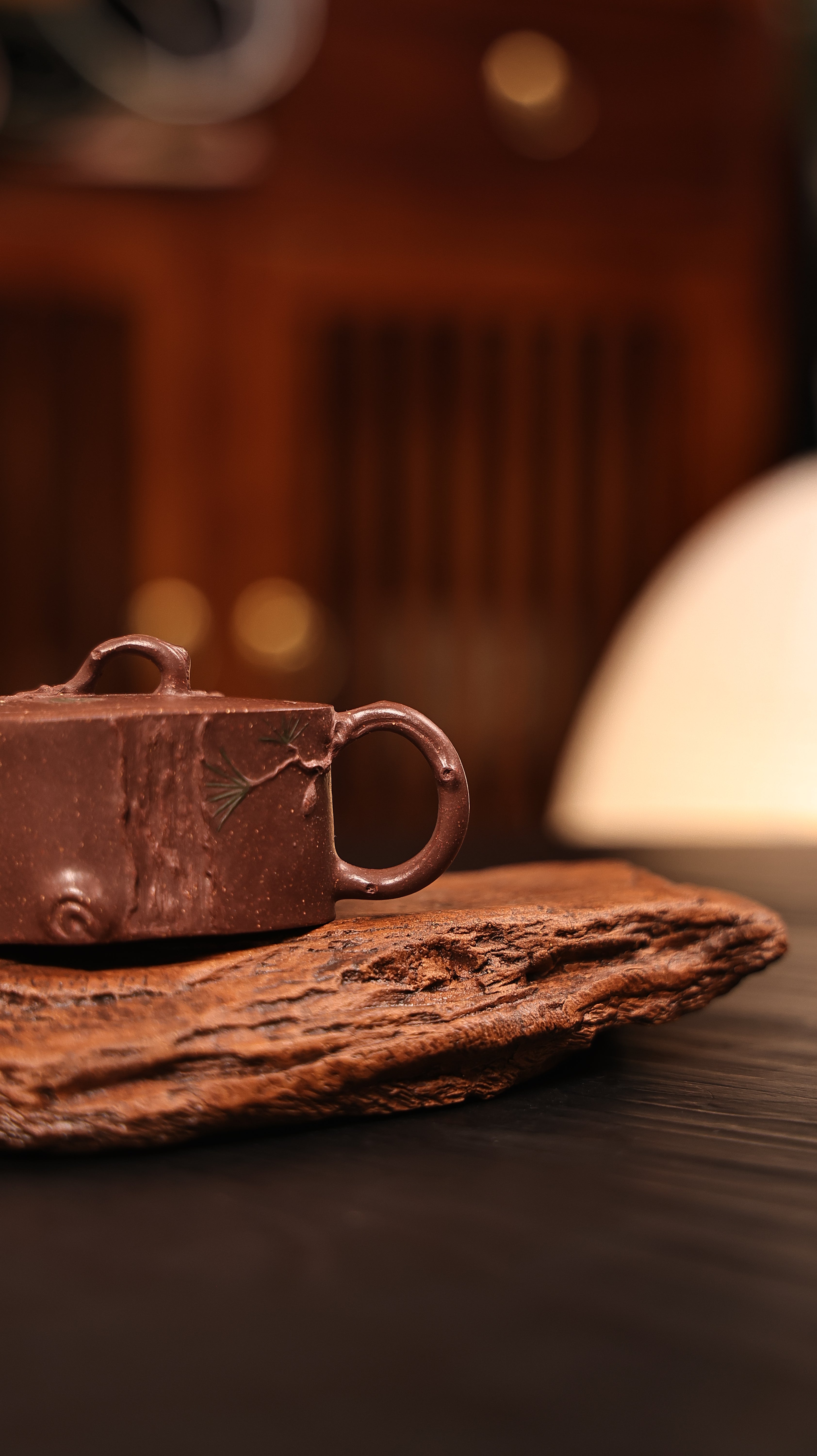
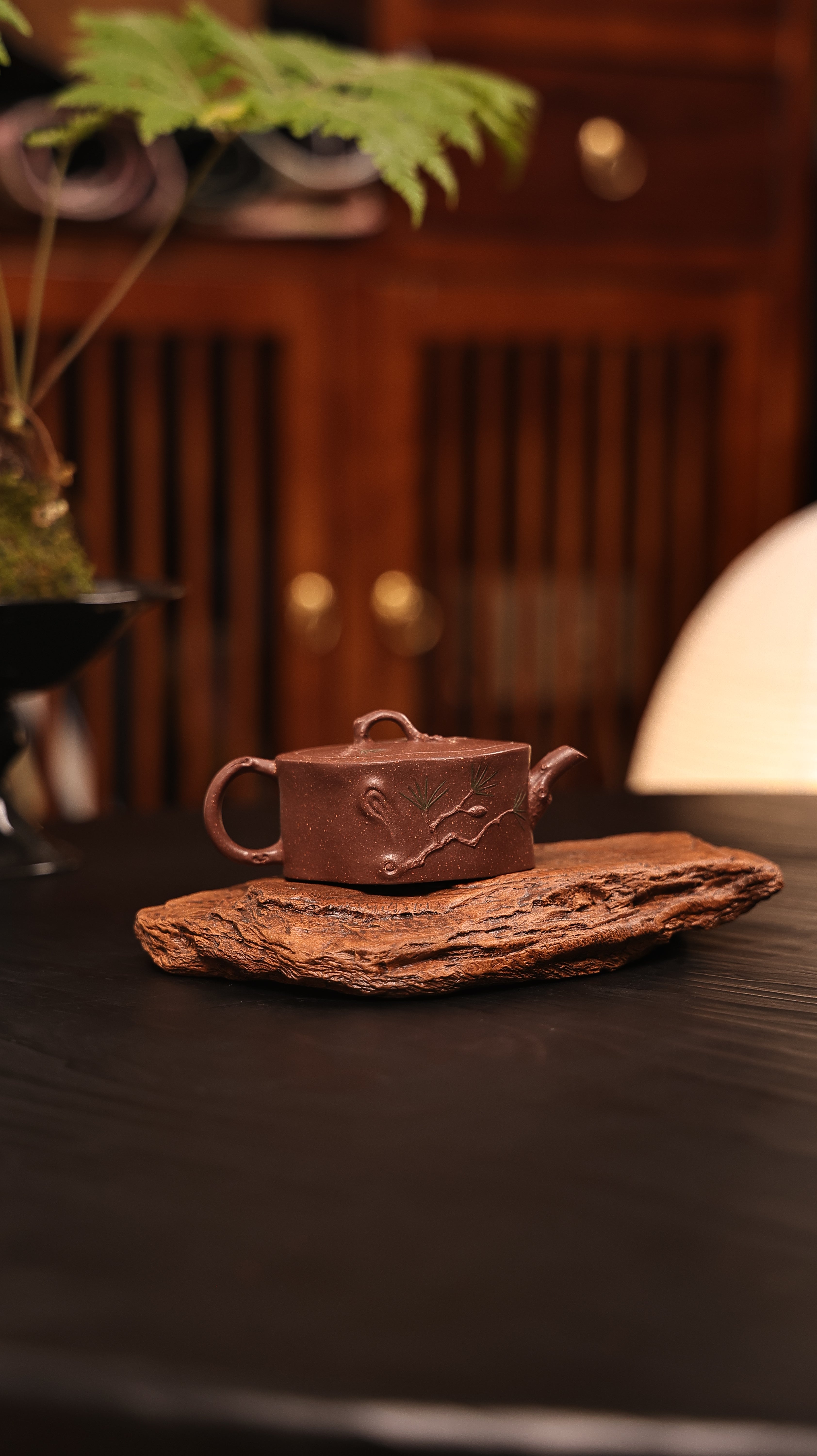
Amidst generations, collectors have been enchanted by the rare charm of Yixing Zisha teapots. Originating from the realm of Yixing in the eastern province, these containers are renowned for their illustrious beauty, rare clay, and intrinsic ability to augment the essence of the liquor. The ground's distinctive mulberry hue, combined with the skillful craftsmanship of local makers, creates items that are simultaneously functional designs and cherished valuables. Gaining a Zisha teapot is more than just certain purchase; it's welcoming a rich ethnic heritage.
Grasping Yixing Teapots: Narrative, Forms, and Price
Yixing region's teapots constitute a fascinating legacy deeply intertwined with Chinese culture. Stemming in the Yixing region of Jiangsu province, these clay vessels possess a heritage stretching back to the Ming Dynasty. Early examples were functional, but throughout centuries, Yixing teapot building evolved into an esteemed art form. The clay itself, known for its unique vitality and ability to raise the flavor of the tea, endures a defining factor. Yixing teapots arrive in various designs, broadly categorized by shape: Classic such as Zhuni (purple clay) and Bisheng, as well as custom designs. The significance of a Yixing teapot rests on several factors, including the potter’s renown, the age of the piece, the rarity of the clay, and its aesthetic quality.- History: Historic epoch
- Composition: Diverse kinds
- Valuation Parameters: Historical period
Zisha Teapot Mastery: Techniques and Potters
Such creation of a true Zisha teapot is a challenging process, requiring years of mastery. Expert artisans meticulously source the excellent Zisha clay, a uncommon earth found only in specific regions of China. Time-honored techniques, often bequeathed through families, involve accurate shaping, nuanced carving, and unhurried firing in ancient fireplaces. The final teapot isn't merely a jar; it's a testament to aesthetic vision and the substantial connection between the creator and their heritage. Each creation showcases the personal touch of the fabricator, resulting in a truly exceptional work of masterpiece.
Historical Teapots: Delving into the Deep Practices of Yixing City
Esteemed Yixing, nestled in Jiangsu the jurisdiction, is universally renowned for its exceptional culinary pots – a tangible representation of centuries of Chinese culture. These aren't merely vessels for manufacturing tea; they are intricate works of craftsmanship, often reflecting spiritual ideals. A unique purple clay, known as Zisha, possesses extraordinary qualities: the element dense, permeable, and imparts a subtle quality to the tea. Chinese Teapot
- Many lineages have honed the techniques of Yixing container making, passing down traditional methods through eras.
- Fans prize these pieces for their aesthetic and exclusiveness.
- Particular pot tells a legend, connecting the recipient to a rich past.
Exploring Yixing Zisha: Key Considerations
In the process of assessing procuring Yixing Zisha vessels, countless parameters command careful attention. Initially, the element's pigment is essential; authentic Zisha typically exhibits a unique rust-colored nuance. Besides, consider the handiwork; well-defined features and a elegant texture demonstrate expert production. At last, study the fabricator's profile; reputable names yield augmented figures and often bestow a valuable dividend.
Brewing Excellence with Zisha Teapots
Steeping tasty tea with a Zisha container is more above a simple method; it's an discipline. Zisha clay, celebrated for its unique earthen composition, imparts a subtle character to the made tea that’s often deficient with other utensils. The ideal water level is required; typically, reduced than what's used for black tea, to save the tea's perfume and palate. Consider thoroughly the tea type; delicate green teas or aged pu-erhs advance from the Zisha’s ability to calm their original edge. It’s necessary to rinse the teapot earlier than brewing, and to exclude over-steeping. Mastering this skill leads to a authentically exceptional tea enjoyment.
- Recognizing Zisha Clay
- Temperature Control & Tea Category
- Criticality of Initial Heating
Preserving Your Yixing Ceramic Pot
With the aim of prolong the life of your esteemed Yixing vessel, regular management is truly essential. Shun using soapsuds; instead, gently purify it with lukewarm hydrous medium. Shun drastic variations; don't rest the kettle directly onto a glowing platform. Periodically, season the pot by steeping it with superior dark drink, as this contributes to boost its flavor and conserves the inherent merits of the substance.
Dealing with Soil to Chalice: The Process of a Traditional Pot
Such creation of a Zisha teapot is a remarkable operation, a representation to both the world's bounty and the mastery of the maker. It launches with the meticulous extraction of the exclusive clay from the crimson Zisha mines close to Yixing. This pure material, known for its exceptional attributes, is then methodically cleaned and molded for the early forming. The teapot's contour is artfully crafted using a aggregation of ancient modeling systems, often incorporating sophisticated embellishments. Following ripening, the urn undergoes a paramount first firing, succeeded by a finishing stage, which might involve a series of layers of pure Zisha slips. Finally, a second, and sometimes third, firing at intense temperatures finalizes the object, revealing its finished beauty and fantastic characteristics - a true masterpiece, available to enrich a tea event.
{Yixing Teapots: A Manifestation of a Way of Life and Honoring
This Yixing teapots, originating from the celebrated Yixing region of Jiangsu province, are far more than mere pots for brewing brews; they represent a major aspect of Chinese traditions. Constructed from distinctive purple clay – zisha – these uncommon teapots are highly esteemed for their ability to refine the flavor of the tea and, crucially, for their elegance. The annals of Yixing teapot making spans centuries, and the know-how involved is relayed through generations, making each teapot a cultural artifact that embodies time-honored techniques and a profound appreciation for the pure pleasures in life.